What Is Anatomical Waste?
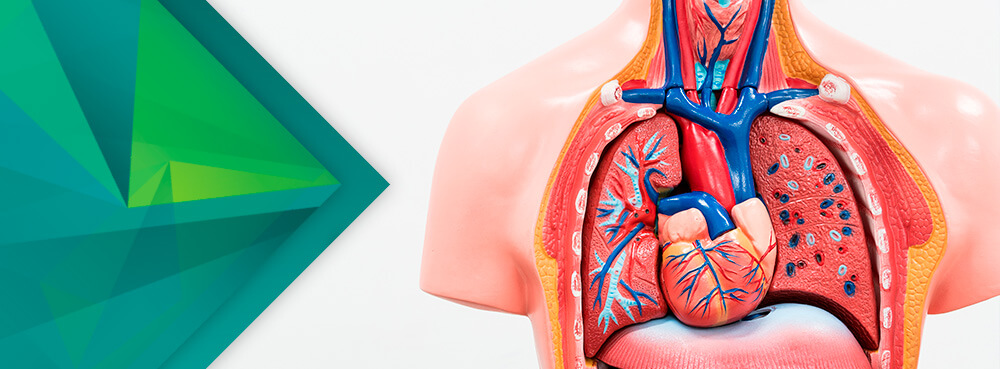
Anatomical waste is human or animal tissue, organs, and body parts generated by healthcare, veterinary, research, and laboratory facilities. It is a subcategory of biomedical waste. Anatomical waste requires single-use containment, refrigerated storage, and destruction by incineration.
Continue reading, or click below to learn:
- How Anatomical Waste is Classified in Canada
- Examples of Anatomical Waste
- Human Anatomical Waste vs. Animal Anatomical Waste
- How Anatomical Waste Differs from Other Waste Streams
- Containment, Colour-Coding, and Labeling
- Storage Requirements for Anatomical Waste
- How Anatomical Waste Is Destroyed
- Frequently Asked Questions About Anatomical Waste
How Anatomical Waste Is Classified in Canada
Anatomical waste is one of five biomedical waste categories in the Canadian Council of Ministers of the Environment (CCME) guidelines, alongside animal waste, microbiology laboratory waste, human blood and body fluid waste, and sharps waste. The guidelines exclude teeth, hair, and nails, and the Canadian Biosafety Handbook uses the same exclusions.
The CCME guidelines are a national framework. They carry legal force only where a province, territory, or municipality adopts them as part of its own rules, which every Canadian jurisdiction has done in some form.
Segregation depends on provincial definition, which is where most facilities lose money. Biomedical waste treatment costs several times more per kilogram than general waste, and over-segregation is common.
Anatomical Waste and Pathological Waste
Canadian regulation does not draw a hard line between the two, and many facilities use the words interchangeably. An amputated limb or a whole organ reads as anatomical; a biopsy fragment or a laboratory specimen reads as pathological. Neither label changes the handling. Both are classified as biomedical waste, both require single-use containment, and both go to a permitted facility for incineration.
Examples of Anatomical Waste
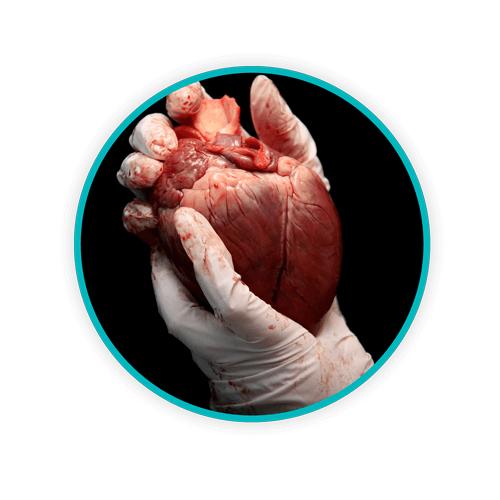
Human Anatomical Waste
- Organs and organ sections removed in surgery
- Tissue removed during biopsy, resection, or debridement
- Amputated limbs and body parts
- Placentas and products of conception
- Bone and bone fragments
- Surgical and autopsy specimens after examination

Animal Anatomical Waste
- Carcasses
- Organs, tissues, and body parts from surgery or necropsy
- Research and teaching specimens
What Is Not Anatomical Waste
Material sorted into the anatomical stream by mistake is destroyed at anatomical rates.
- Teeth, hair, and nails
- Feathers, hooves, and horns, excluded from the animal anatomical waste category in Ontario
- Blood and blood products, a separate biomedical category
- Gloves, gowns, drapes, and dressings
- Sharps, which follow their own containment and treatment path
Human Anatomical Waste vs. Animal Anatomical Waste
Human and animal anatomical waste are separate streams and cannot share a container.
Provinces often define each differently. Human anatomical waste is tissue, organs, and body parts. Animal anatomical waste is material from an animal infected or suspected of being infected with any infectious substance, excluding teeth, nails, hair, feathers, hooves, and horns. Some provinces have separate colour-coding, with human anatomical waste in red, single-use containment and animal waste in orange.
Some provinces also exempt animal anatomical and blood waste under provincial statutes. That material falls outside the biomedical waste definition entirely, which is why an abattoir and a veterinary clinic can handle the same tissue under different rules.
How Anatomical Waste Differs From Other Waste Streams
Anatomical waste falls under biomedical waste but follows a different path from most of it, mainly because of how it has to be destroyed.
- Anatomical waste: human and animal tissues, organs, and body parts must be incinerated
- Sharps waste: needles, blades, and other sharp medical objects must be autoclaved
- Biomedical or infectious waste: liquid blood, items saturated with blood, and items contaminated with infectious substances must be autoclaved
- Microbiology laboratory waste: cultures, vaccines, and specimens of infectious agents are autoclaved
- Cytotoxic waste: chemotherapy drugs and contaminated materials must be incinerated
- Pharmaceutical waste: expired or unused, or contaminated medications are incinerated
- General waste: everyday non-contaminated waste is sent to a landfill or recycled
Containment, Colour-Coding, and Labeling
Anatomical waste requires rigid, sealed, leakproof, single-use containment. The container is not returned to service after collection because it goes into the incinerator with the waste inside.
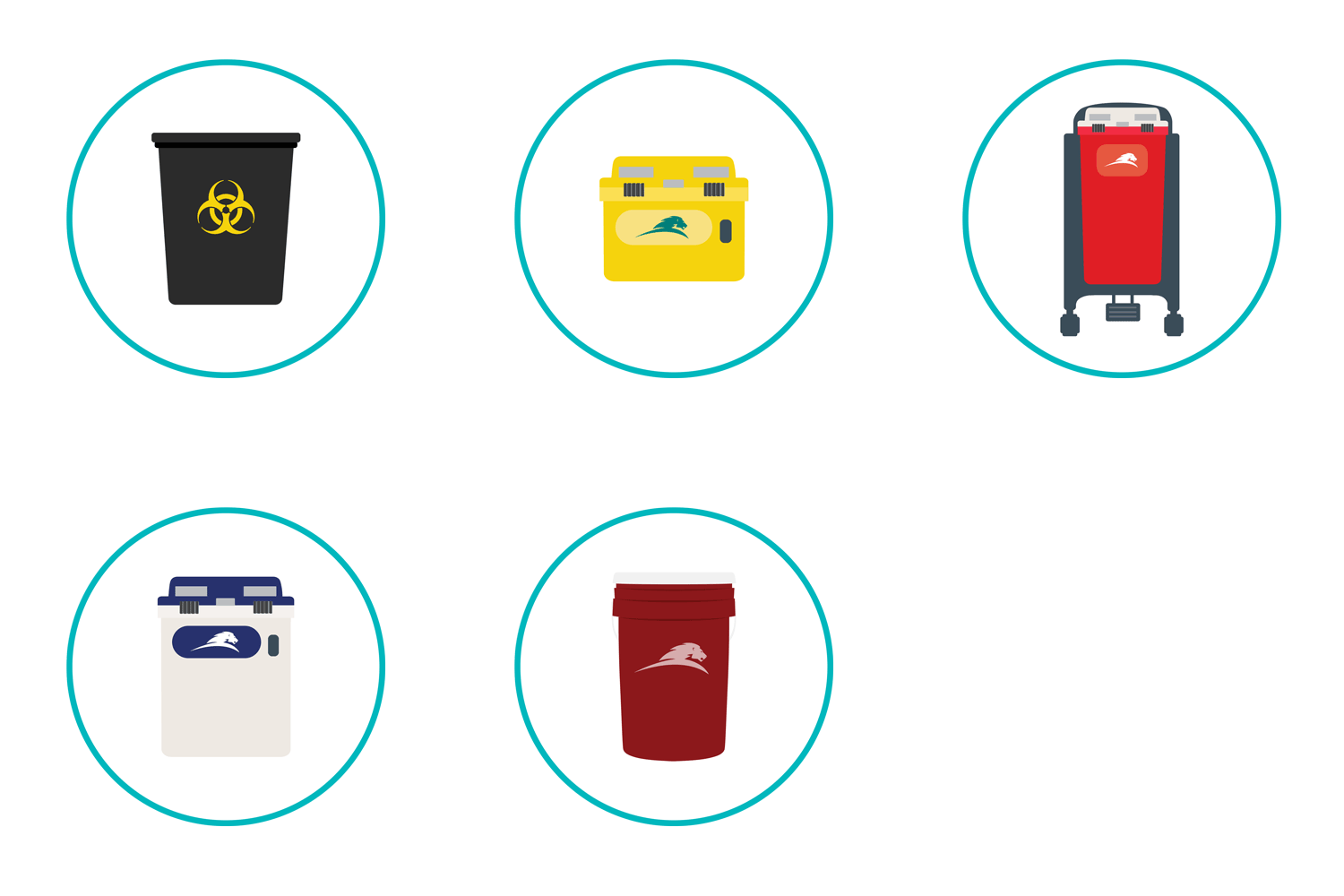
Colour: Red is the colour designation for human anatomical waste across Canada, usually paired with the anatomical symbol on a red label. Containers must be labeled before the waste leaves the generation site, since transport is regulated separately from storage.
Labeling: Provincial regulations word their labeling and colour requirements differently. Daniels Health supplies one national containment system that satisfies all of them, so a facility operating in several provinces runs the same containers and the same staff training at every site.
Container Size: Container size is determined by the volume of anatomical waste the department generates. Sizing it too small means the container will need to be exchanged often, and sizing it too large means anatomical waste sits on site longer than the storage rules allow.
Storage Requirements for Anatomical Waste
Anatomical waste is refrigerated from the moment it is contained until it is collected. This ensures anatomical waste does not decompose while waiting to be picked up.
Storage areas have to be secure, restricted to authorized staff, and placarded with the biohazard symbol. Collection frequency depends on the storage capacity of the location. For example, a site with limited refrigerated storage needs more frequent collections.
How Anatomical Waste Is Destroyed
Anatomical waste is incinerated, and it is the accepted method nationally because it is the only one that renders tissue unrecognizable and non-infectious.
The path from generation point to incinerator has four documented steps.
- Collection:
a licensed carrier takes custody of sealed, labeled containers at the facility - Transport:
movement is governed by the Transportation of Dangerous Goods Regulations - Incineration:
waste is destroyed at a permitted incineration facility - Documentation:
records confirming destruction return to the generating facility
Daniels Health collects and transports anatomical waste through its own Canadian network and sends it to permitted third-party incineration facilities. The chain of custody is documented from the moment waste is collected through to final disposal.
This is important because liability does not transfer. Canadian law holds the generating facility responsible from the moment waste is created through to final disposal, and a contract with a hauler does not change that. Proof of destruction is what closes the loop, which is why procurement teams ask for it before they ask about anything else.
For container sizing, collection scheduling, and destruction documentation at your facility, see anatomical waste disposal services.
Anatomical Waste Compliance Support from Daniels Health
Daniels Health has managed healthcare waste for Canadian facilities for more than 40 years, including anatomical waste for hospitals, surgical centres, pathology laboratories, long-term care homes, and veterinary practices.
Our clinical waste educators assess generation points, set containment and labeling for each site, and build a collection frequency that works with your refrigerated storage capacity. See how our anatomical waste disposal service works, or explore the wider Knowledge Centre for segregation guides and posters.
Let’s talk about anatomical waste disposal for your facility. Call 888 952 5580.

Taylor Dowker
Let's Talk!
Your time is valuable, and we don’t want to play hard to get. You can either phone us directly on the details listed on our contact page, or feel free to fill out this short form and one of our team members will get back to you as quickly as possible.